
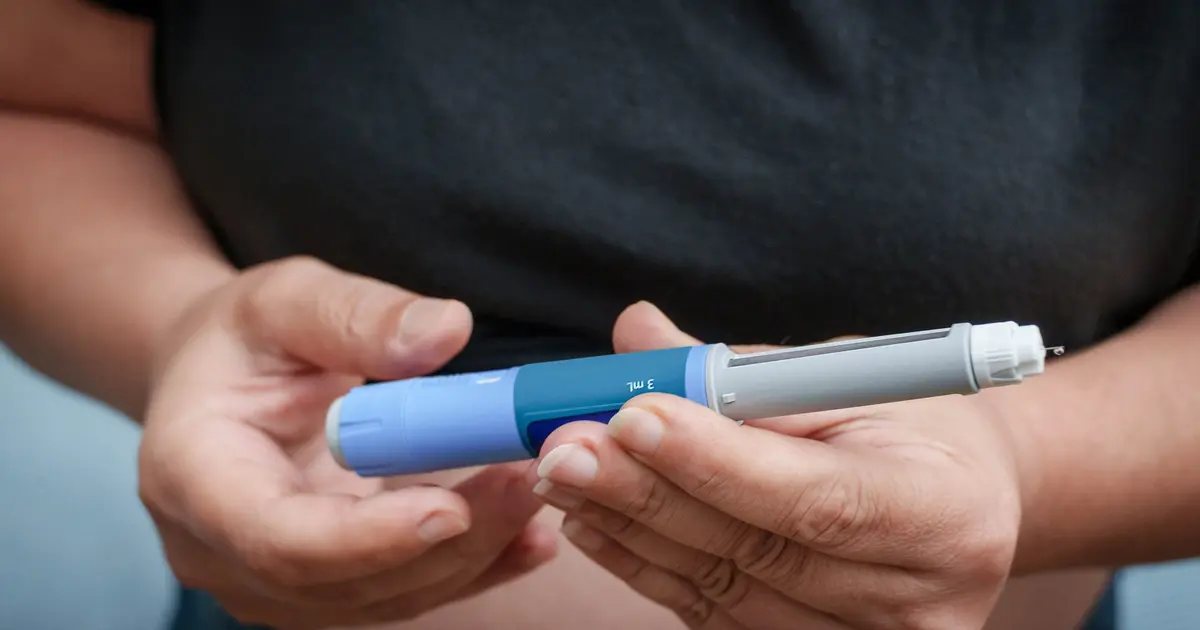
CHICAGO – A new study has identified a potential safety concern associated with widely prescribed GLP-1 medications, finding that some patients taking the drugs may face an increased risk of dizziness, fainting and other complications related to low blood pressure.
The findings, which were presented over the weekend at ENDO 2026, the Endocrine Society’s annual meeting, were based on an analysis of health records from more than 42,000 adults who were already taking at least two types of blood pressure medications when they began treatment with GLP-1 drugs such as semaglutide, tirzepatide or liraglutide.
Lead researcher noticed pattern among patients taking GLP-1 medications
What they’re saying:
Dr. Micah Eimer, a clinical assistant professor at Northwestern Medicine and senior author of the study, said the research was inspired by a pattern he noticed among patients taking GLP-1 medications.
“I use a lot of GLP-1s because they are shown to reduce the risk of dying from heart disease by up to 20%, depending on the population. And I noticed a series of patients on GLP-1s complaining of lightheadedness, dizziness and fainting. They had low blood pressure on my examination,” he said in a statement, adding, “Hypotension is the most dreaded potential side effect of treating hypertension and actually far more dangerous. And I started thinking that there was a pattern there that needed to be investigated.”
Episodes linked to low blood pressure increased
By the numbers:
After starting GLP-1s, the patients in the study experienced higher rates of dizziness, fainting and other events related to low blood pressure.
The researchers from Northwestern found that rates of hypotensive events – episodes linked to abnormally low blood pressure – increased after patients started GLP-1 therapy.
A study of 42,000 adults found increased rates of hypotension events after starting GLP-1s. (Credit: Getty Images)
Within six months of beginning treatment, the rate of hypotensive events rose from 8.7% to 10.2%. The elevated risk persisted at 12 months, increasing from 13.6% to 14.3%.
These hypotensive episodes were most common among patients aged 65 and older and those with diabetes, the scientists found.
Read more Texas Tech QB Brendan Sorsby to enter NFL Supplemental Draft amid NCAA, Big 12 legal battle
What they’re saying:
“It is statistically significant, and the consequences of hypotension can be terrible. People die from that. You can hit your head, or you can crash your car or break your hip. So, it’s a very bad outcome when it happens,” Eimer continued. “Plus, part of the take-home from our abstract is that this is preventable. This is something that clinicians should be looking for and it’s recognizable. All we’re proposing to clinicians is ‘Hey, think about the patients who are at risk and have a strategy to monitor and mitigate that risk.’”
In a secondary analysis, the scientists found that weight loss alone did not explain the increased risk, suggesting other mechanisms of action may be at play.
But Eimer emphasized that the findings should not discourage appropriate use of GLP-1 drugs, which have become increasingly popular for treating diabetes, obesity, cardiovascular disease and sleep apnea.
“When I’m talking to patients about going on these drugs, they’re like, ‘I don’t want to go on another medicine.’ I go, ‘You know what? If you take this GLP-1, you can get rid of one or two blood pressure medicines. You can probably get rid of a blood sugar medication; you can probably cure your sleep apnea.’ So, I’m a big proponent of GLP-1s, they are huge. I’m just saying, let’s be careful in select patients because I think there’s the potential to do harm,” he added.
GLP-1 drugs surge in popularity for treating obesity
The backstory:
GLP-1 drugs have surged in popularity in recent years for their effectiveness in treating obesity and diabetes. Earlier studies largely focused on larger peptide-based GLP-1s, such as semaglutide, which were shown to suppress hunger by targeting appetite-regulating networks in the hypothalamus and hindbrain.
RELATED: New GLP-1 drugs could suppress desire for more than just food, study suggests
A recent study funded by the National Institutes of Health (NIH) has uncovered how a newer class of oral GLP-1 weight-loss drugs could reduce the desire for more than just food.
The findings identified a mechanism distinct from previously known appetite-control pathways as an avenue by which GLP-1s could treat other dysfunctions in reward processing, such as substance use disorder.
Read more Houston weather: Storm Alert Monday; Flood Watch until midweek