
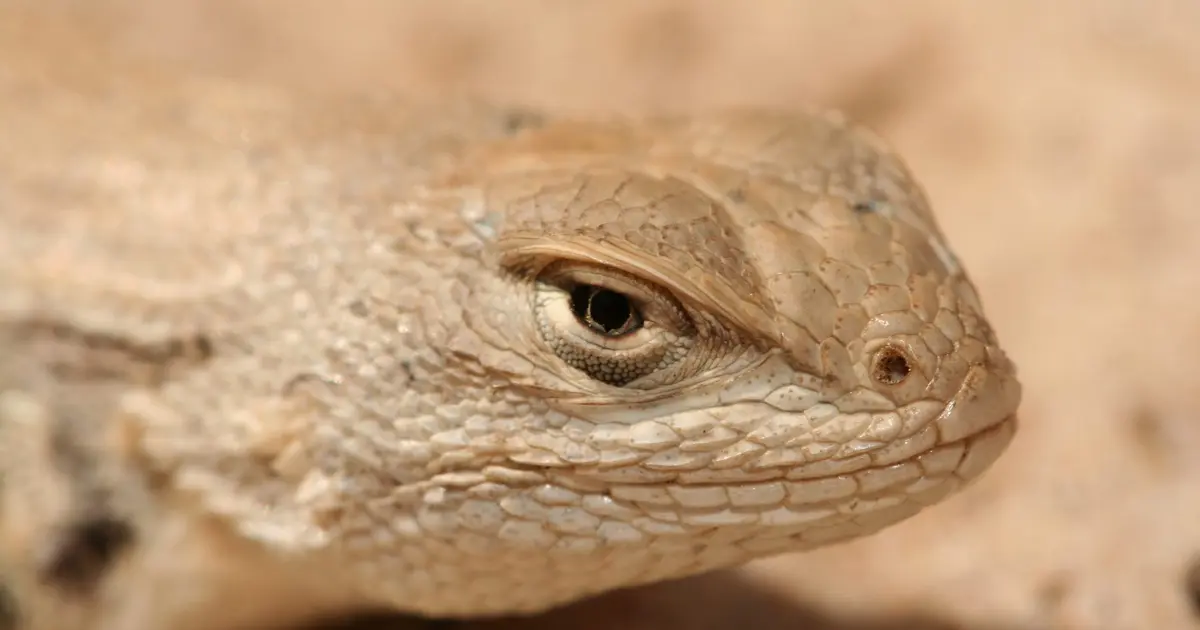
Dunes sagebrush lizard (Photo: USFWS)
A federal judge has vacated endangered-species protections for a West Texas lizard that lives in one of the fastest growing oil and gas fields, after U.S. Fish and Wildlife officials said their analysis of habitat restoration efforts was incomplete and possibly inaccurate.
Read more Man found guilty in crash that killed Harris County deputy constable, her child
The dunes sagebrush lizard makes its home in a small area of the Permian Basin in West Texas and southeastern New Mexico.
The lizard was classified as endangered in 2024 by the Biden administration, who said it faced threats from oil and gas development and climate change. Texas sued over the classification, and the Trump administration asked the judge to remove the lizard from the endangered species list as part of a settlement with the state.
Judge David Counts said the U.S. Fish and Wildlife Service “failed to properly consider habitat restoration in evaluating whether the dunes sagebrush lizard was endangered because of habitat loss, fragmentation, or degradation.”
The Center for Biological Diversity, who sought to intervene in the case and was denied, said more than 95% of the lizard’s habitat has been destroyed by oil and gas extraction and other developments. They said that the remaining habitat was fragmented, which impacts their ability to mate.
Read more Amazon Prime settlement: How eligible customers can claim refunds before July 27 deadline
The settlement requires USFWS to issue a new 12-month finding on whether the lizard should be classified as endangered or threatened.
Other animals removed from the endangered species list
The dunes sagebrush lizard isn’t the only animal to be removed from the endangered species list this year.
In February, the Trump administration removed protections for the lesser prairie chicken. The animal is another whose habitat has been impacted by the oil and gas industry.
The Center for Biological Diversity said the bird stays away from vertical structures like oil rigs, powerlines and telephone poles because they are used by animals that are predators to the lesser prairie chicken.
Read more Over 4,300 pounds of chicken noodle soup imported from Canada to US recalled due to inspection issue