
A renovation can completely change the look and feel of a home, but getting there often means dealing with dust, debris, tools, paint, and constant activity. Furniture that remains inside the property can quickly become exposed to scratches, stains, construction particles, and accidental impacts. Even carefully covering a sofa or dining table may not provide enough protection during a major project.
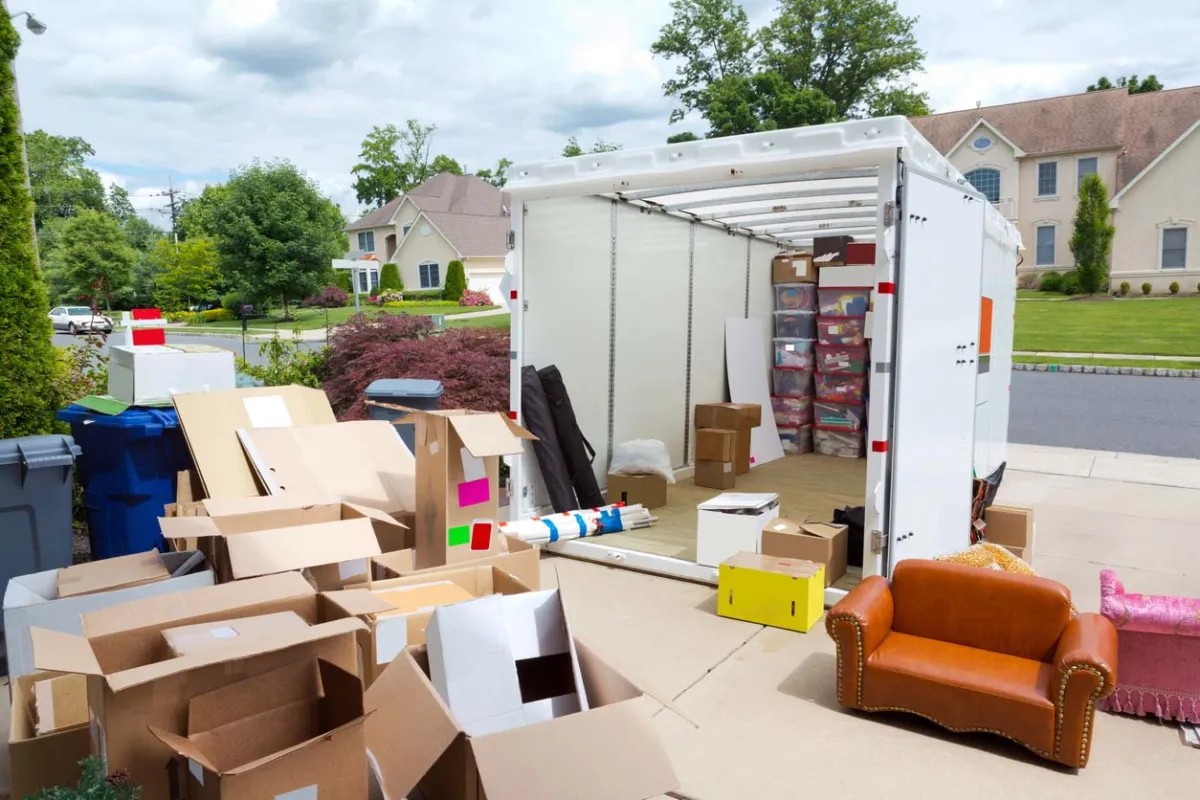
One practical solution is to temporarily move household belongings away from the renovation zone. Professional moving and storage services give homeowners a way to keep furniture in a more controlled environment while contractors have the space they need to work efficiently.
Why Renovations Can Damage Furniture
Construction creates risks that are easy to underestimate. Sanding produces fine dust, painting introduces the possibility of spills, while flooring and carpentry work can send small particles across nearby rooms. Workers also need to carry tools and materials through areas where furniture may normally be positioned.
Dust and Debris
Fine renovation dust can settle on upholstery, wooden surfaces, shelving, and decorative pieces. Fabric furniture can be particularly difficult to clean because particles may become embedded in cushions and fibers.
Plastic covers can reduce exposure, but they do not always prevent dust from reaching furniture. Moving pieces completely away from the property removes them from the immediate construction environment.
Scratches, Stains, and Accidental Impacts
Furniture can also be damaged simply because contractors need room to move. A ladder, piece of drywall, toolbox, or flooring material can accidentally hit a nearby cabinet or table.
For valuable, antique, oversized, or sentimental furniture, avoiding the renovation area altogether can be a much safer strategy.
How Secure Storage Helps During Remodeling
Temporary storage separates household belongings from the work being performed inside the property. Once furniture has been removed, contractors can access walls, floors, ceilings, and other areas without repeatedly moving household items from one location to another.
For homeowners considering this approach, https://promoversandstorage.com/ provides information about moving and storage services that can support temporary relocation needs.
A Cleaner and More Organized Work Area
An empty room is easier to renovate than one filled with furniture. Contractors can move equipment more freely, homeowners can monitor progress more easily, and there are fewer obstacles around freshly installed floors or newly painted surfaces.

This can be especially helpful during kitchen remodeling, bathroom renovations, flooring replacement, and larger multi-room projects.
Better Protection for Valuable Furniture
Some household pieces deserve additional attention. Solid wood dining tables, upholstered sofas, antique cabinets, bedroom sets, and other expensive furnishings may be difficult or costly to repair if construction causes damage.
Keeping these items in secured storage means they are not exposed to daily renovation activity. Instead of moving furniture repeatedly between rooms, homeowners can leave it safely stored until the appropriate stage of the project is complete.
Preparing Furniture for Temporary Storage
Moving furniture into storage should be planned rather than treated as a last-minute task. Clean surfaces before the move and make sure pieces are dry. For larger furniture, determine whether disassembly will make transportation and storage more practical.
Keep screws, brackets, handles, and other removable hardware in labeled bags. Taking quick photographs before disassembly can also make putting everything back together much easier.
Make an Inventory Before Moving
Create a simple list of the furniture being stored. Include major items and any boxes containing accessories or detachable parts. Photos can be useful for documenting the condition of valuable pieces before they leave the house.
An organized inventory makes it easier to locate specific belongings when the renovation reaches its final stages.
Choosing Storage for the Length of the Project
The expected renovation timeline should influence your storage plans. A simple flooring replacement may require only a short-term arrangement, while structural remodeling can take considerably longer.
Think about whether you will need access to particular belongings during construction. Items that may be needed sooner should remain easy to identify and retrieve rather than being buried behind everything else.
For homeowners looking specifically at this type of temporary arrangement, https://promoversandstorage.com/services/secured-storage-solutions explains the secured storage service offered by Pro Movers and Storage.
Bringing Furniture Home After Renovation
Once construction is finished, furniture should ideally return only after major dust and debris have been removed. Cleaning and inspecting the renovated rooms first helps prevent freshly cleaned belongings from immediately becoming dirty again.
Professional movers can also make the final stage easier when heavy sofas, cabinets, tables, and other bulky items need to be transported back into the home.
Using storage as part of a renovation plan can therefore do more than create extra space. It keeps valuable furniture away from construction hazards while giving workers a clear environment in which to complete the project. When the remodeling is finished, homeowners can bring their belongings back into a clean, newly updated space instead of spending additional time repairing or restoring furniture affected by the work.