
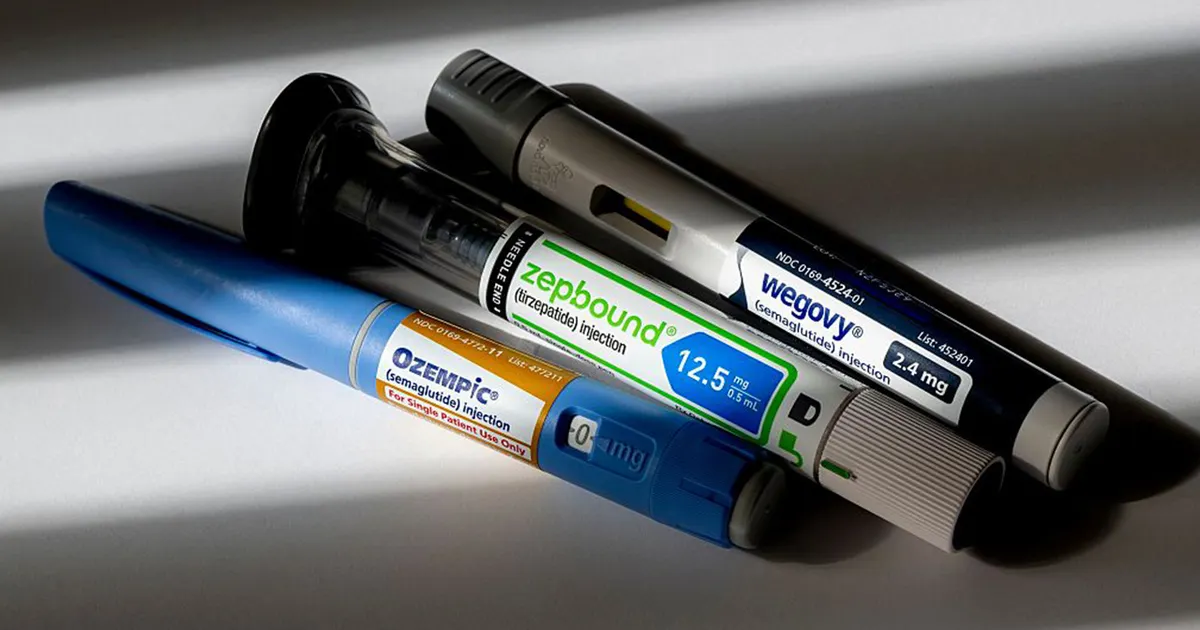
A civil lawsuit has been filed against GLP-1 drugmakers over the potential risk of sudden vision loss, according to multiple reports.
Read more Florida judge dismisses lawsuit over faceless Reese’s pumpkins
Lawsuits filed against GLP-1 drugmakers
Big picture view:
Dozens of patients have joined a civil lawsuit brought against Novo, the maker of Wegovy and Ozempic, according to the Wall Street Journal.
The lawsuit claimed that patients who were taking either of the two popular weight-loss and diabetes drugs developed NAION, a condition that can lead to sudden and sometimes permanent vision loss.
Similar lawsuits against Eli Lilly, the maker of Zepbound, were filed claiming the company failed to adequately warn patients of the risks. Those cases are still pending.
What studies say about GLP-1s and vision loss
The backstory:
Non-arteritic anterior ischaemic optic neuropathy (NAION) is a rare eye condition that can lead to sudden vision loss due to lack of blood flow.
Recent studies analyzed how semaglutide and tirzepatide — which include popular drugs like Ozempic, Wegovy, Mounjaro and Zepbound — impacted eye health in Americans with type 2 diabetes over a two-year period.
One study found a modest risk of NAION in association with semaglutide and tirzepatide.
Read more Gov. Abbott orders pause for all data centers until ERCOT audit is finished
By the numbers:
Out of more than 159,000 study participants with type 2 diabetes, 35 developed NAION, compared to 19 people in the comparison group.
Researchers also noted an increased risk of developing “other optic nerve disorders,” identified in 93 patients.
FILE – Photo illustration of a group of weight loss injection pen medications. (Photo by: Michael Siluk/UCG/Universal Images Group via Getty Images)
The other side:
While individuals with type 2 diabetes on GLP-1s showed a modestly increased risk of diabetic retinopathy, the researchers concluded that fewer patients experienced sight-threatening complications from the disease.
What’s next:
Further research is needed on this matter, but for now, clinicians and patients are encouraged to make “informed choices” when it comes to using GLP-1s, according to a 2025 news release from the American Academy of Ophthalmology regarding studies linking vision loss and GLP-1s.
Read more Where to see fall foliage in Texas