
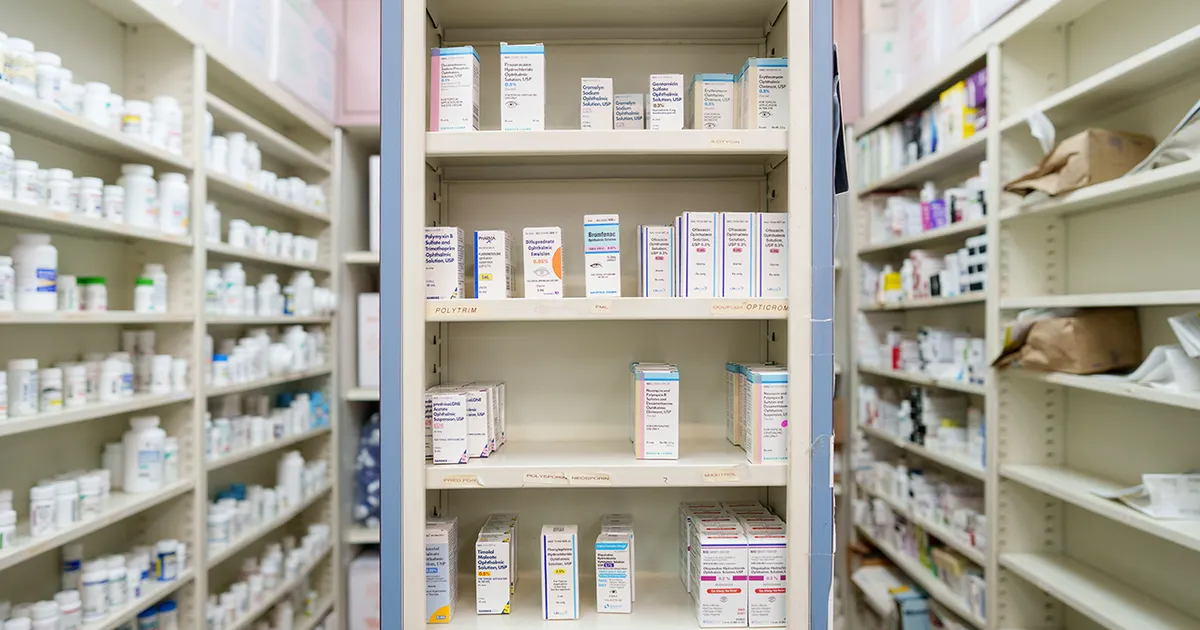
WASHINGTON – The Trump administration proposed a new rule on Thursday to keep hospitals from charging markups on discounted drugs for Medicare patients.
Read more July 4th deadly Texas floods, one year later
According to estimates obtained by The Associated Press, the administration said the move could save consumers $1.1 billion next year.
Medicare patients could save $1.1 billion under new Trump rule
Big picture view:
The rule would apply to hospitals that serve low-income patients under what is known as the 340B program, which lets hospitals buy outpatient prescription drugs at discounted prices.
But in many cases, hospitals can bill insurers at rates that exceed those costs, allowing hospitals to keep the difference and resulting in higher costs to patients.
Under the proposed rule, the Centers for Medicare & Medicaid Services would change the formula for what hospitals participating in the program can get reimbursed, in an effort to cut costs for patients.
The agency estimates that the average older adult with Medicare Part B coverage who is administered one of these drugs would save $800 a year in co-payments. That would work out to a total savings of $1.1 billion for everyone with that coverage.
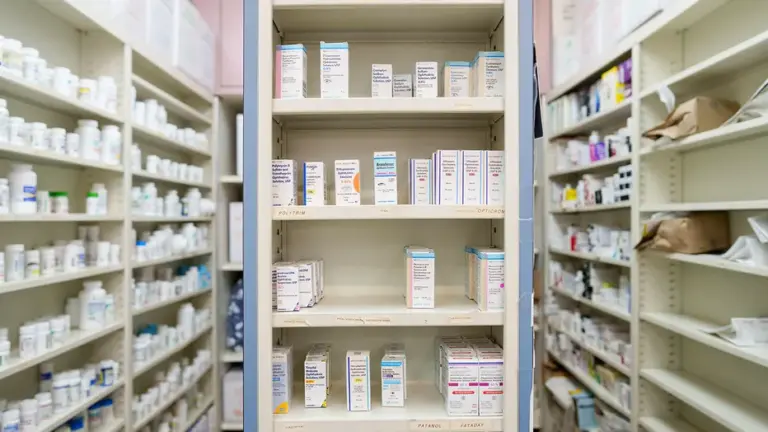
Medications are stored on shelves at a pharmacy on May 12, 2025 in Los Angeles, California. U.S. President Donald Trump today signed an executive order aimed at reducing the cost of prescription drugs and pharmaceuticals by 30% to 80%. Trump announce
The savings over 10 years could total about $20 billion, according to a White House official who requested anonymity to discuss the rule before the official announcement. The official said the proposed rule was not previewed for hospital groups before the release.
In a policy draft of the rule, the administration gave a specific example of how the current system works for the prostate cancer drug Lupron Depot. Hospitals under the 340B program can acquire a dose for roughly $700, but they can receive about $4,000 in Medicare reimbursement for administering it and an additional $1,000 from the patient co-payment.
The proposed rule would cut by roughly 40% that amount that hospitals in the discounted drug program could be paid through Medicare programs. If approved, the rule would go into effect at the start of next year.
The other side:
The American Hospital Association said the proposed rule would compound the financial pressures its members face.
Read more Wilt Chamberlain’s Lakers warm-up jacket found at Goodwill could sell for $250,000
“These proposals will undermine the ability of hospitals to maintain essential services and protect affordable access to care for those who depend on the 340B program,” Ashley Thompson, the group’s senior vice president for public policy analysis and development, told The Associated Press.
There is the risk that hospital systems could see their revenues decrease, which could have consequences in the communities they serve. The 340B program was initially designed as a way for healthcare providers to stretch scarce federal resources to better serve more patients. But it has long been at the center of a lobbying battle between hospitals and pharmaceutical companies, with each side attempting to enlist lawmakers in maintaining or changing the benefit.
Trump signs executive order to lower prescription drug prices
The backstory:
Last year, Trump signed an executive order that directed his health department to work toward lowering the price of prescription drugs.
The order called for lowering the price of Medicare prescription drugs and providing “massive discounts” to patients with low-income for life-saving medication.
The order also instructed the Department of Health and Human Services (HHS) to standardize Medicare payments for prescription drugs, including those used for cancer patients, no matter where a patient receives treatment.
Likewise, the order called to match the Medicare payment for certain prescription drugs to the price that hospitals pay for those drugs, up to 35% lower than what the government pays to acquire those medications, the White House said.
RELATED: Trump executive order targets prescription drug prices
The order also called for lowering insulin prices for low-income patients or those who were uninsured to as little as 3 cents and injectable epinephrine for treating allergic reactions to as low as $15, coupled with a “small administrative fee,” according to a White House fact sheet.
Last July, Trump sent letters to dozens of pharmaceutical companies in an effort to reduce drug prices for Americans.
“The president signed an executive order earlier this year to solve the problem of exorbitant pharmaceutical pricing,” White House Press Secretary Karoline Leavitt said. “According to recent data, the prices that Americans have been paying for brand name drugs are more than three times the price other similar, similarly developed nations pay. The president is determined to solve this problem and took further action today. He has signed 17 letters to pharmaceutical companies’ CEOs.”
Accordingly, Trump called on the drug companies and manufacturers doing business to guarantee most favored nation pricing for newly launched drugs and Medicaid with the next 60 days, return increased revenues abroad to American patients and taxpayers, and provide for direct purchasing at most favored nation pricing.
Read more July 4th fireworks: How to watch & stream fireworks displays from across the US