
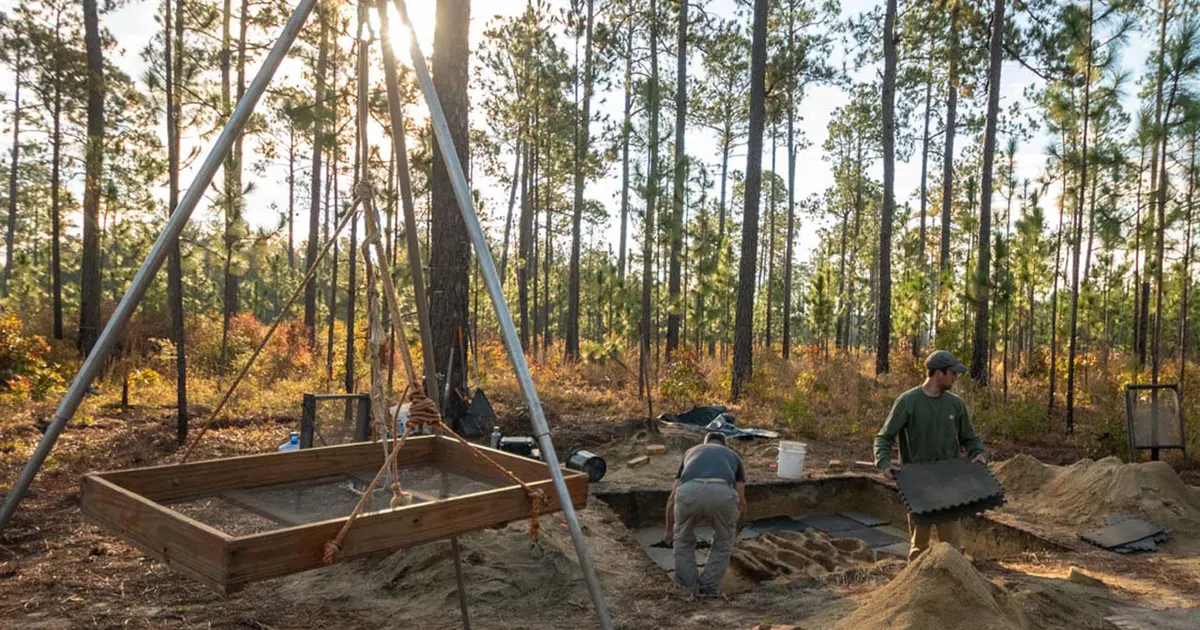
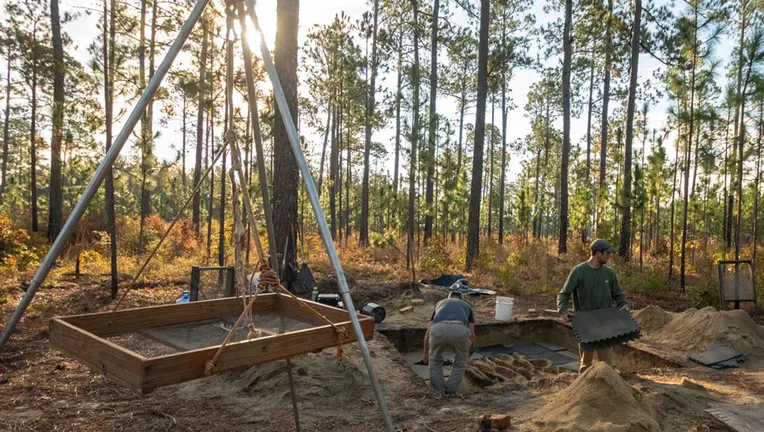
A team of biological anthropologists from the University of South Carolina and the Richland County coroner’s office, along with archaeologists from the South Carolina Institute of Archaeology and Anthropology and the state Department of Natural Resou
Read more Houston fireworks shows near me 2026: July 4th events in Galveston, The Woodlands, more
Thanks to DNA, relatives of an American Revolutionary War soldier now know the name of their long-lost cousin who died in 1780 at the Battle of Camden.
Archaeologists with the South Carolina Institute of Archaeology and Anthropology (SCIAA) at the University of South Carolina (USC) and a Texas-based forensic genetic genealogy firm used DNA to identify the remains as John Pumphrey of Anne Arundel County, Maryland.
The backstory:
Pumphrey’s remains, along with 13 others who died at the battle, were discovered in 2020 at the historic Camden Battlefield and Longleaf Pine Preserve. The 1780 battle at that site claimed more lives than any other in the revolution.
Read more Houston fireworks: Freedom Over Texas 2026 guide to tickets, concerts, parking
The 14 soldiers’ remains were later given a proper burial in Camden.
What they’re saying:
“This discovery helps highlight the critical role that South Carolina played in the winning of American independence. It brings the war and the battle to a brutal reality that cannot be fully comprehended by simply reading history. It honors those soldiers that sacrificed their lives to gain American independence,” said Steve Smith, a research professor at USC’s South Carolina Institute of Archaeology and Anthropology in a release.
Dig deeper:
SCIAA says Pumphrey’s genetic genealogy profile was matched to relatives who uploaded their DNA to public databases that allow forensic matching and based on the growth plates in his knees, biological anthropologists estimate Pumphrey was just 13 – 15 years old when he enlisted in Maryland’s 7th Regiment in Baltimore in 1777.
Read more Harris County shooting: Man killed on CE King Parkway