
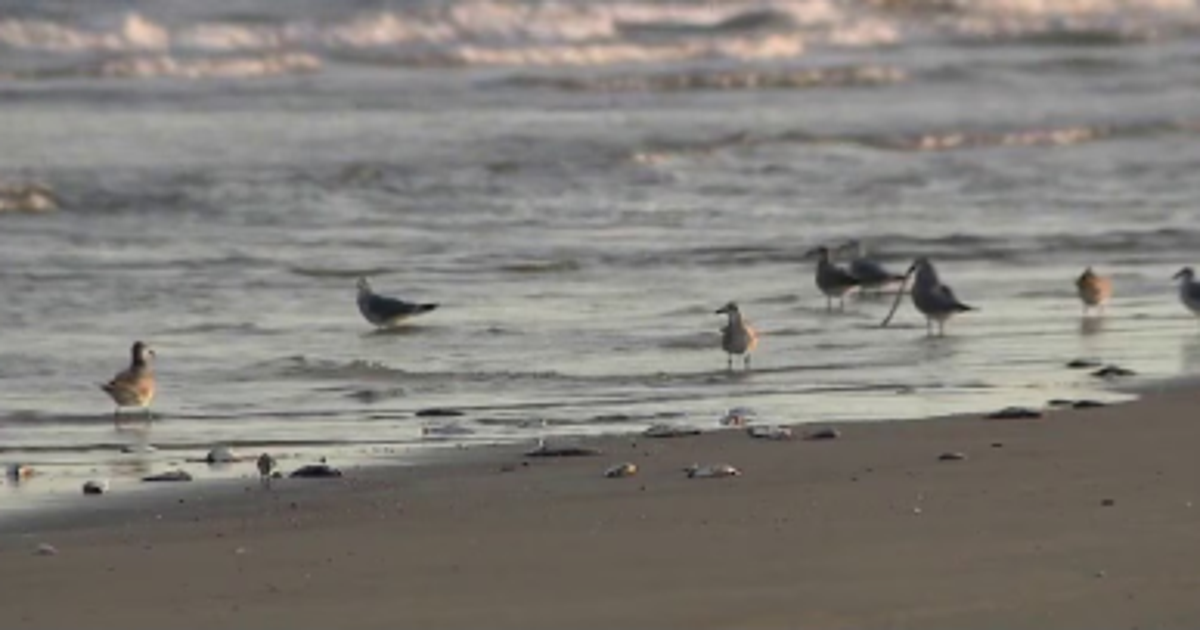
GALVESTON COUNTY, Texas – Red tide has been detected along the Galveston coast, raising questions about what it could mean for local restaurants that rely on Gulf seafood.
Read more 3 dead after helicopter crashes in Chatsworth
Red tide could impact local restaurants
What we know:
The Texas Restaurant Association says it is still too early to know how much of an impact the red tide could have on restaurants. So far, the association has not heard concerns from local restaurants, but that could change depending on how long the red tide lasts.
Red tide is a naturally occurring algae bloom that can produce toxins harmful to people and marine life. It can kill fish, potentially reducing the amount of locally caught seafood available to restaurants.
What they’re saying:
Michael Shine with the Texas Restaurant Association says if the red tide sticks around, restaurants could have fewer options and potentially pay more for certain types of Gulf seafood.
“We’ve not heard anything yet from any restaurants,” Shine said. “Everyone’s taking a wait and see.”
Shine says restaurants have already faced significant increases in food costs in recent years, and a prolonged red tide could put additional pressure on businesses.
Restaurants that regularly serve fresh Gulf fish, including redfish, may have to temporarily change their menus if certain seafood becomes harder or more expensive to get.
“If it is available, it’s gonna cost more money,” Shine said. “Depending on that cost, I may not put it on the menu today, or I may put it only on the weekends.”
Shine says Gulf oysters could be particularly susceptible. However, restaurants and distributors could turn to other areas along the Gulf, including Louisiana or Florida, if local supplies are affected.
He also stressed that seafood served at restaurants is monitored for safety and that distributors will not provide restaurants with seafood that does not meet quality standards.
Dr. Michael Wetz with the Harte Research Institute says seafood sold at restaurants and grocery stores is heavily monitored by the Texas Department of State Health Services, including oysters harvested from Texas waters.
Read more Woodland Heights shooting: Man dead, one person detained
Where has red tide been detected?
Texas Parks and Wildlife says red tide has been reported on Crystal Beach on the Bolivar Peninsula and southern Galveston Island.
Common signs of red tide include discolored water, dead fish and respiratory irritation.
Beachgoers have already reported mild to severe respiratory irritation in affected areas.
Health officials say people can become sick from red tide by eating contaminated shellfish or breathing toxins released into the air.
“If there’s a lot of red tide in the area, just be cognizant if you’re having breathing issues or whatnot,” Dr. Wetz said.
Anyone who starts coughing or experiences eye, throat or respiratory irritation should leave the beach and go indoors.
People should also keep pets away from algae and dead fish because the toxins can make animals sick.
Red tide can be patchy, so officials recommend checking the latest red tide conditions before heading to the beach.
The last time red tide was detected along the Texas coast was in 2023.
Shine says red tide could also affect tourism in the Galveston area, which could have another impact on restaurants. How significant that impact becomes will largely depend on how long the red tide lasts.
Read more CenterPoint Energy confirms data breach of customer personal information